If you own a home in Youngstown or anywhere in Mahoning County, Ohio law already puts mine subsidence coverage inside your homeowners policy. Most people have never heard of it, and it's worth knowing what it covers, what it leaves out, and how it differs from the water problems that wet basements come from. Here's how it works.
What Mine Subsidence Is
Mine subsidence is damage to a structure from the caving in of underground mines. Ohio's insurance rules define it as loss caused by the collapse or lateral or vertical movement of structures resulting from the caving in of underground mines, including coal, clay, limestone, and salt mines. When the tunnels and voids left behind by old mining give way, the ground above can sink or shift, and the structures on it move with it.
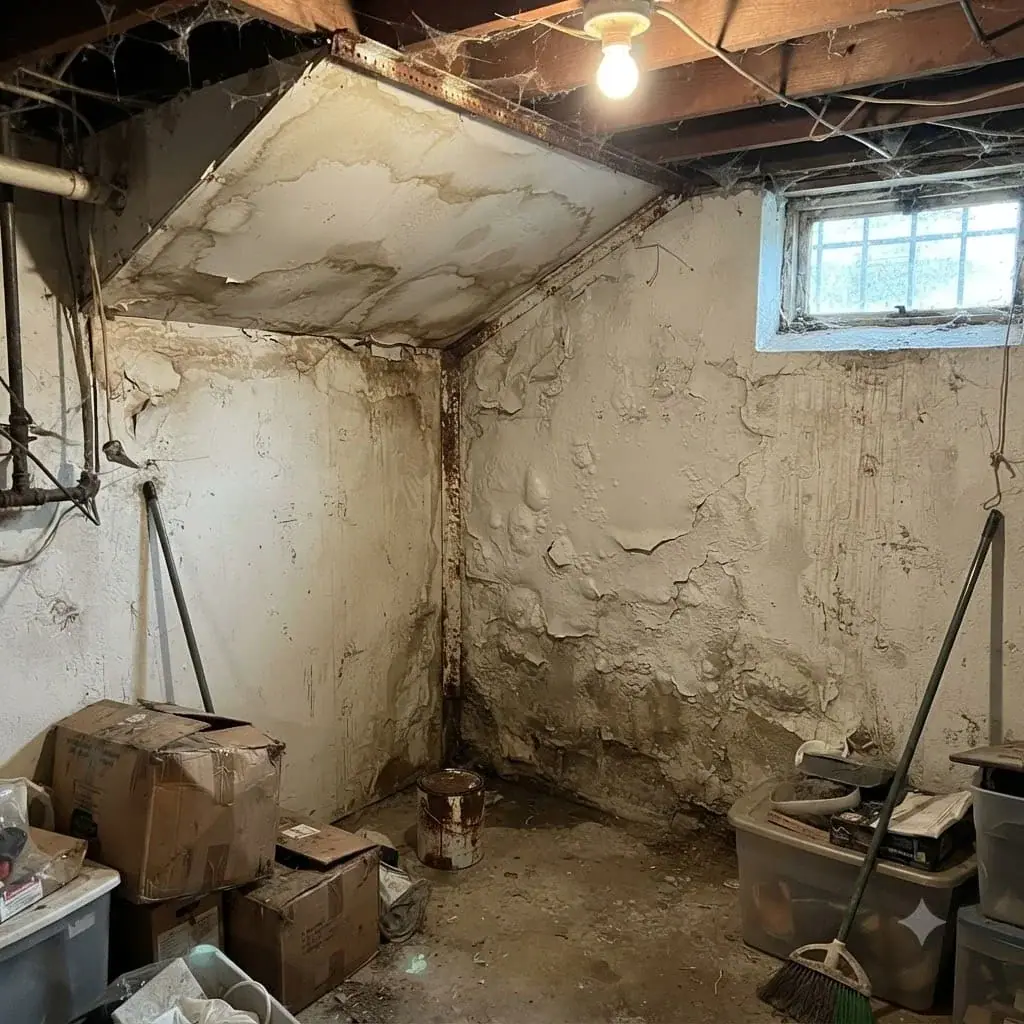
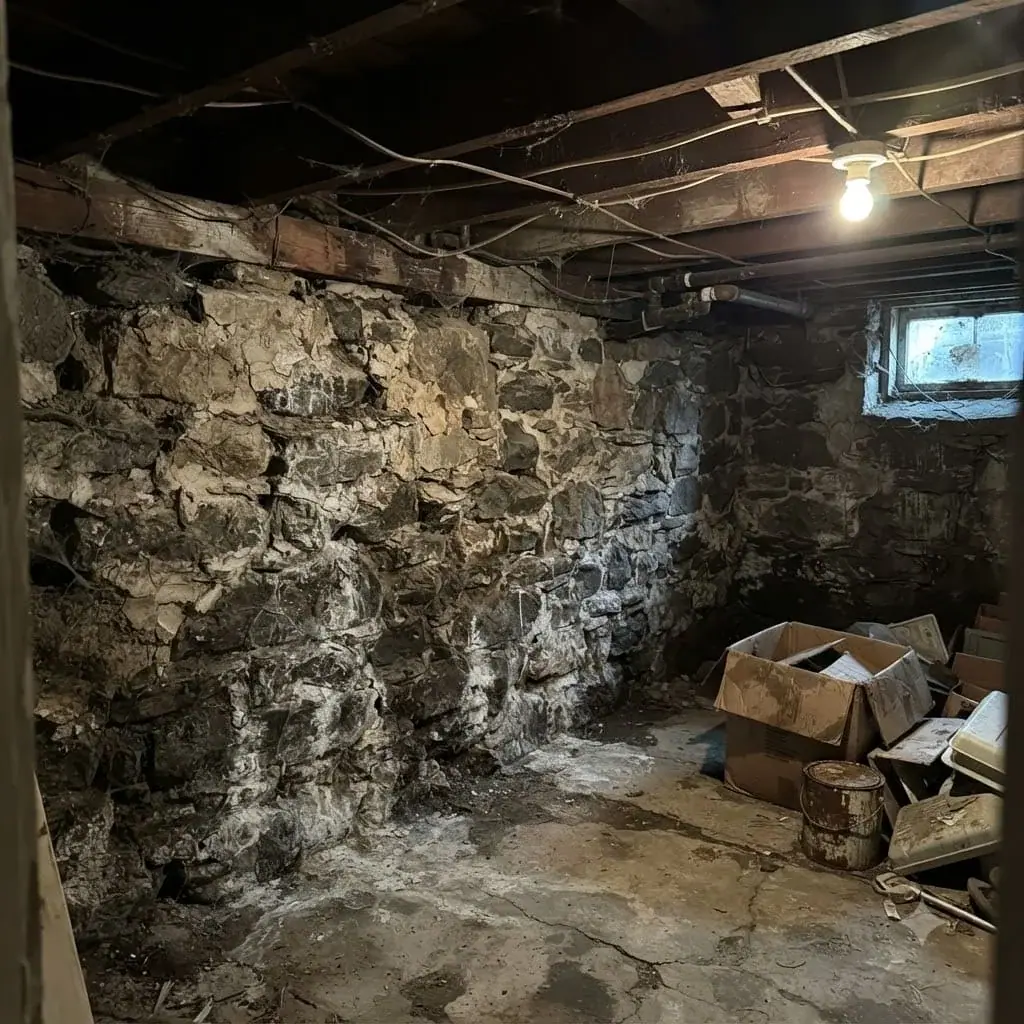
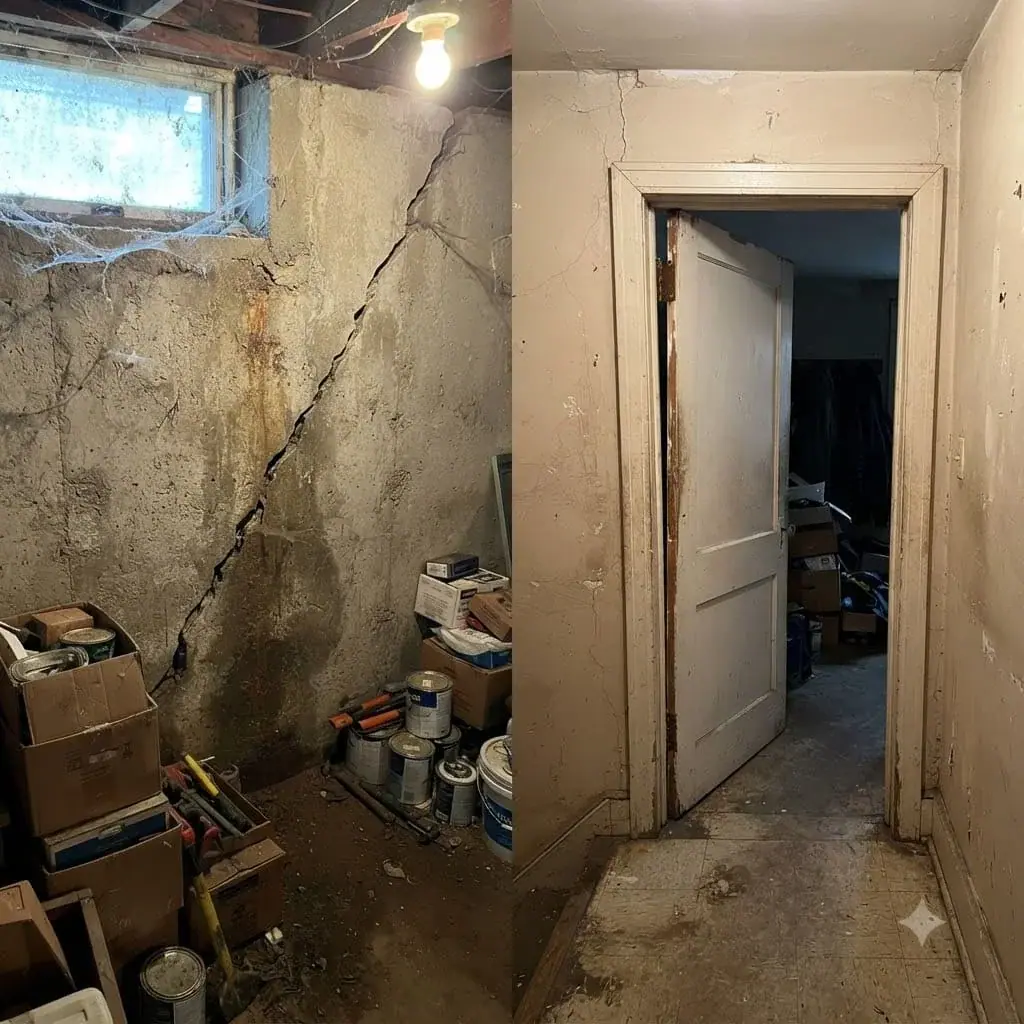
Subsidence damage shows up as cracks in walls and foundations, doors and windows that stick, and uneven floors. Those signs overlap with ordinary water and settlement damage, which is part of why it's easy to misread.
Why It's Already in Your Policy
Ohio requires insurers to include mine subsidence coverage in homeowners policies in 26 designated counties, and Mahoning is one of them, along with Trumbull and Columbiana. Under Ohio Revised Code section 3929.56, every insurer that offers basic property and homeowners insurance must include mine subsidence coverage, provided through the Ohio Mine Subsidence Insurance Underwriting Association, in each policy that is delivered, issued, or renewed in those counties. The statute has no opt-out language for the mandated counties.
That makes Mahoning County different from the optional counties, where coverage is offered and local county commissioners can choose to require it.
What the Coverage Looks Like
Ohio's plan of operation sets the main terms, and they apply to the dwelling on your homeowners policy.
- The limit. Coverage for direct loss from mine subsidence cannot exceed the coverage on the dwelling in your homeowners policy or $300,000, whichever is less.
- The deductible. The deductible falls between $250 and $500.
- The premium. The plan caps the annual premium at $5 in the mandated counties, and at $20 in counties where coverage is optional.
- Eligibility. A member insurer can refuse coverage on a structure that shows unrepaired subsidence damage or subsidence damage in progress.
Check your own policy for the exact terms, since the insurer's form and your dwelling coverage set the real limit.
What It Doesn't Cover
Mine subsidence coverage covers one cause, and Ohio's rules name several things that don't count as mine subsidence. They include loss caused by earthquakes, landslides, and volcanic eruptions, along with the collapse of strip mines, storm and sewer drains, and rapid transit tunnels. It also does not address water coming into a basement. Groundwater, seepage, and flooding are separate matters that most homeowners policies exclude on their own terms.
How to Check Whether Your Home Is Affected
Start with your insurance agent, because the coverage is part of the policy you already carry in Mahoning County. Ask whether mine subsidence coverage is on the declarations page and what the limit and deductible are. The Ohio Department of Natural Resources publishes a statewide map of abandoned underground mines that shows where old workings sit. If you see cracks or movement and can't tell the cause, an inspection can separate soil and water pressure from ground movement.
How This Relates to a Wet or Cracked Basement
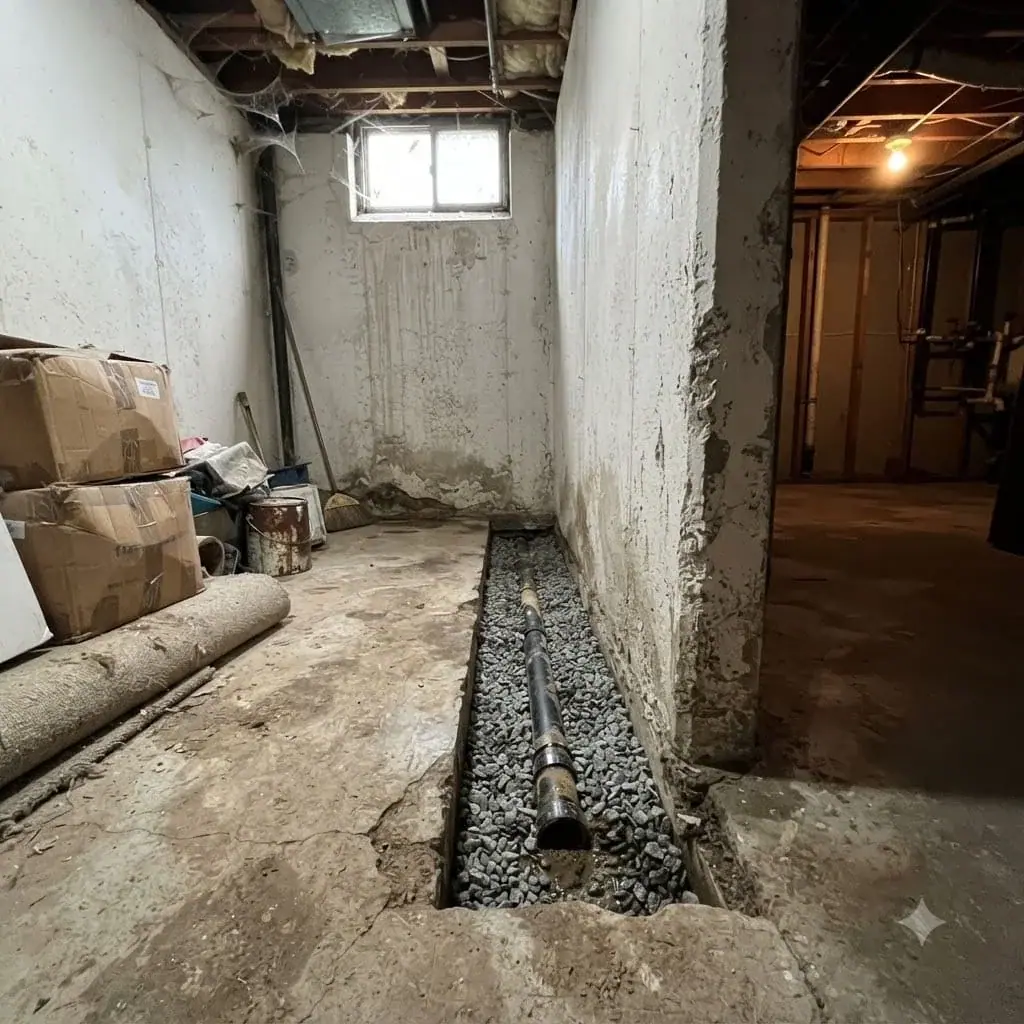
Subsidence and water damage are different problems that look alike, which is why it's worth knowing which one you have. A bowing wall or a cracked foundation in a Youngstown basement is most often the result of clay soil and water pressure, which we handle with waterproofing and wall repair. Ground movement from old mines is a separate cause, and it belongs to your insurer, not to a waterproofing contractor. When we inspect a basement with cracks or movement, we walk through what applies so you can contact your insurer before a problem develops, not after.
Frequently Asked Questions
Does homeowners insurance cover mine subsidence in Ohio?
Ohio requires mine subsidence coverage to be included in homeowners policies in 26 designated counties, including Mahoning, Trumbull, and Columbiana. Insurers provide it through the Ohio Mine Subsidence Insurance Underwriting Association. In the counties where it is optional, coverage is offered and the county commissioners can choose to require it. Check your declarations page or ask your agent to confirm the coverage and its limits on your policy.
What is the limit and deductible on Ohio mine subsidence coverage?
Ohio mine subsidence coverage is limited to the dwelling coverage on your homeowners policy or $300,000, whichever is less. The deductible must fall between $250 and $500. Insurers can sell coverage above $300,000 on their own. Because the dwelling limit on your own policy sets the real cap, read your policy and ask your agent how the two numbers apply to your home.
Does mine subsidence insurance cover water in my basement?
Mine subsidence coverage does not cover water in your basement. It covers loss from the caving in of underground mines. Groundwater seepage, flooding after heavy rain, and sewer backup are separate causes, and most homeowners policies exclude them unless you add specific coverage. A wet basement in Youngstown comes from saturated clay soil far more often than from mine movement.
Is mine subsidence the same as a sinking foundation?
Mine subsidence and ordinary foundation settlement can look the same but have different causes. Subsidence is ground movement from collapsing underground mines, while settlement and wall bowing in Youngstown usually come from soil conditions and water pressure. Both show up as cracks, sticking doors, and uneven floors. The difference matters because subsidence may fall under the mine subsidence coverage in your policy, while water-driven movement is a waterproofing and repair matter.
Can an insurer refuse mine subsidence coverage?
An insurer can refuse mine subsidence coverage on a structure that has unrepaired subsidence damage or subsidence damage in progress. For a home with no existing subsidence damage in a mandated county, the coverage is included in the policy by law. If you've found cracks and aren't sure of the cause, get the cause identified before changing or renewing a policy, and ask your agent how your insurer handles it.