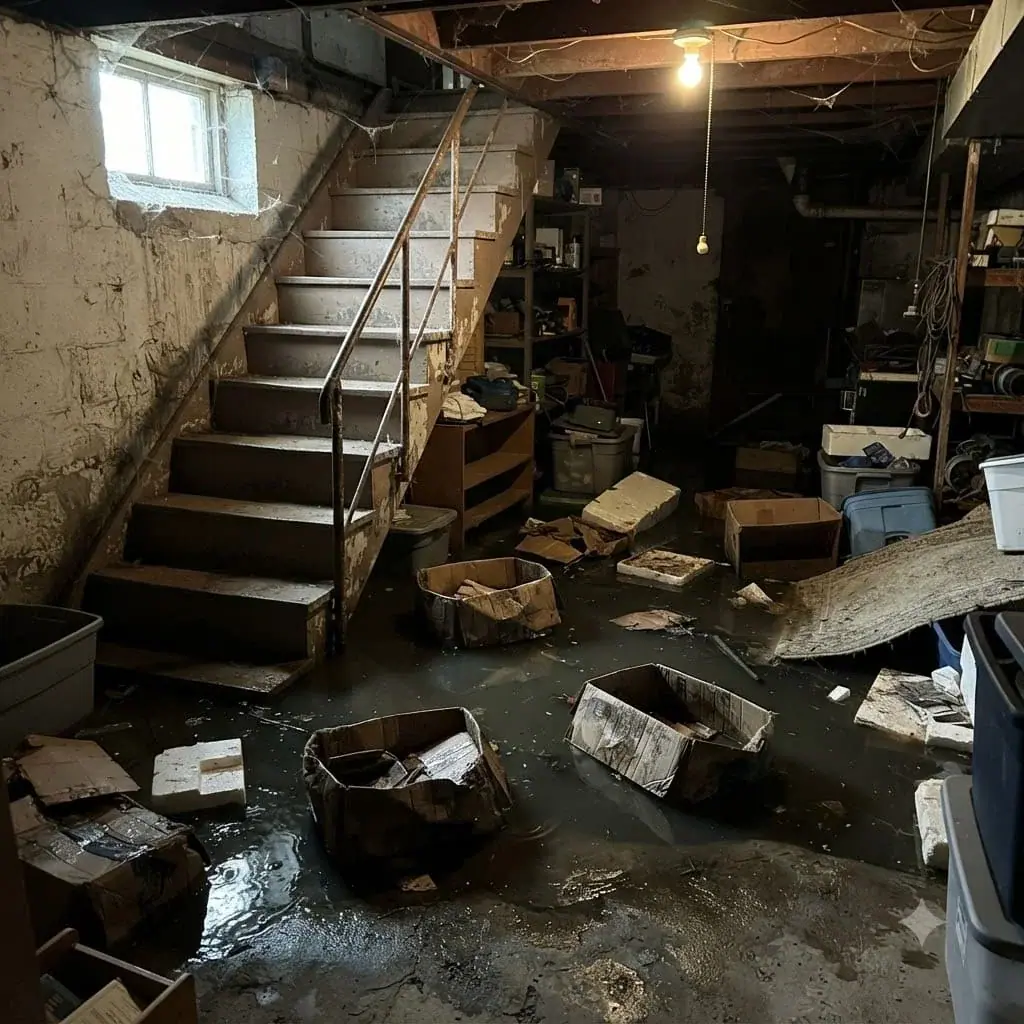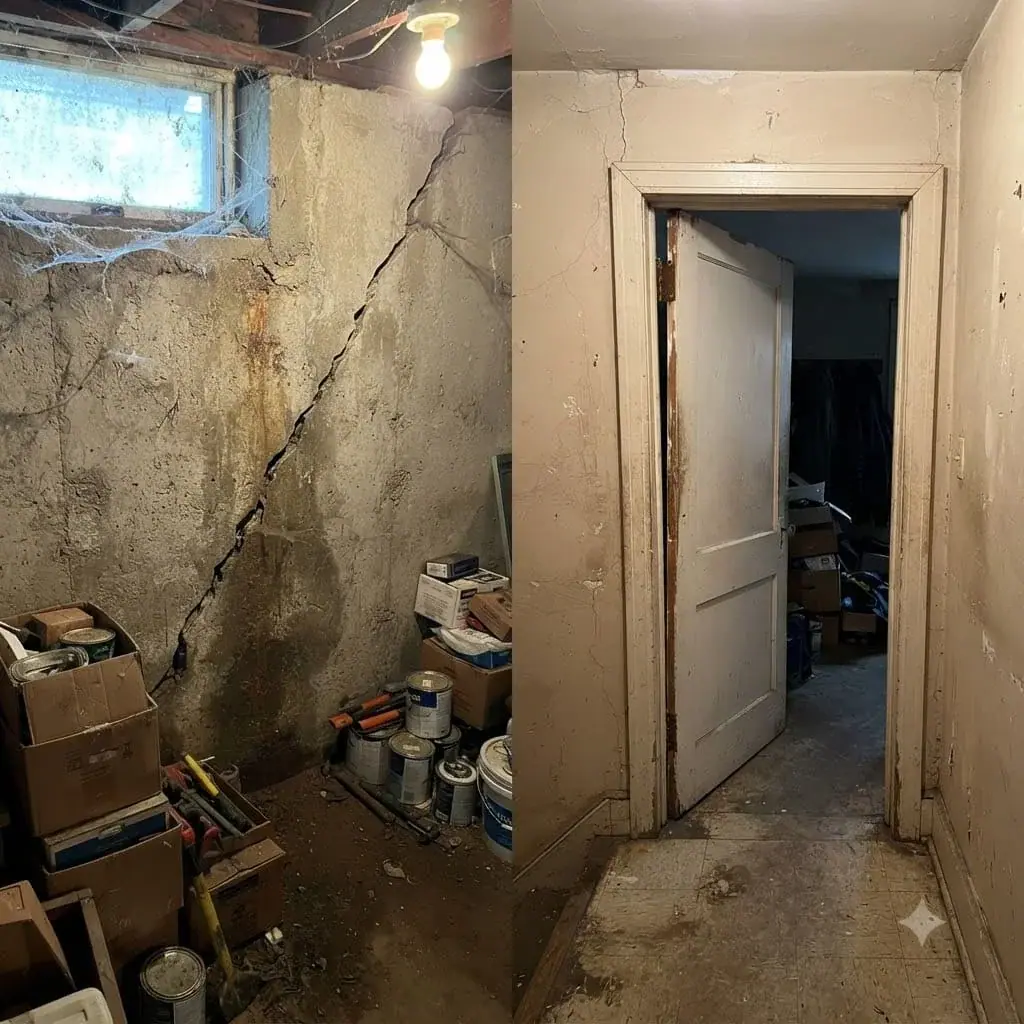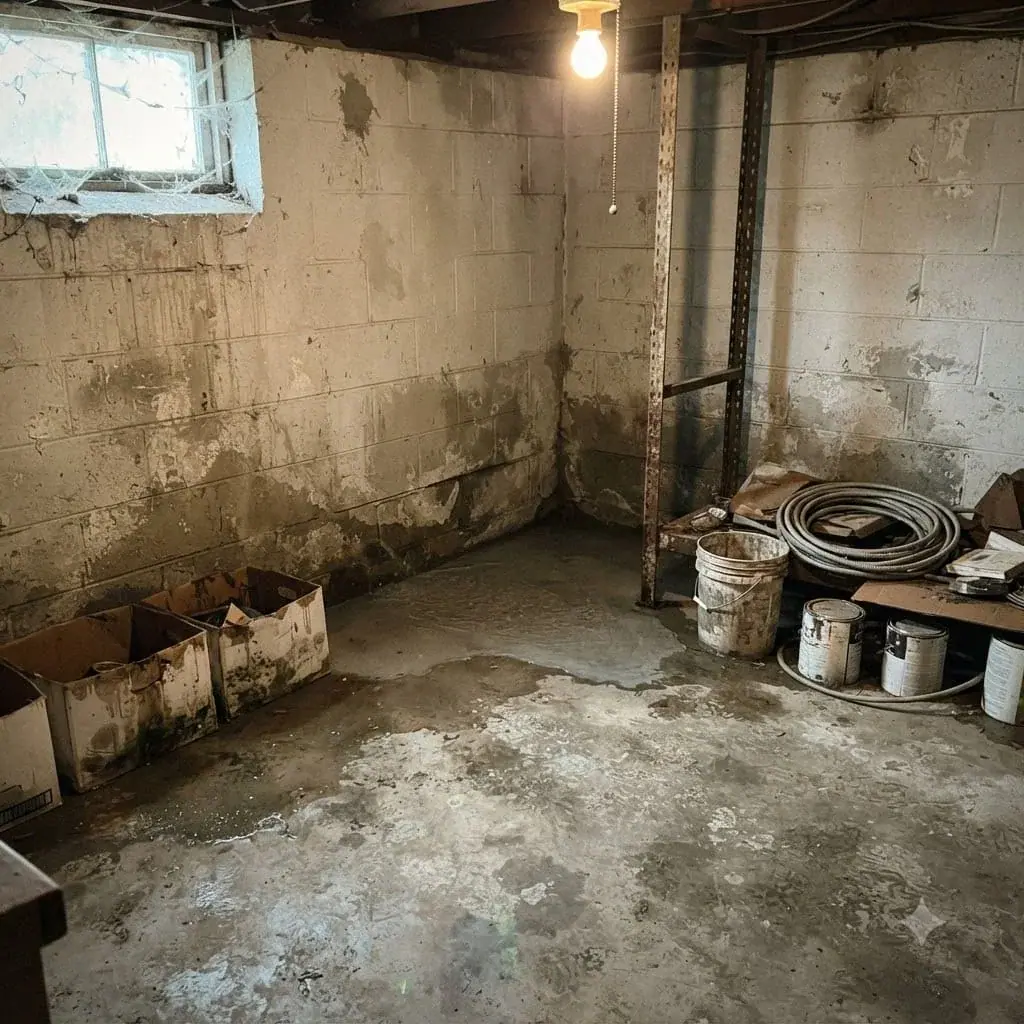
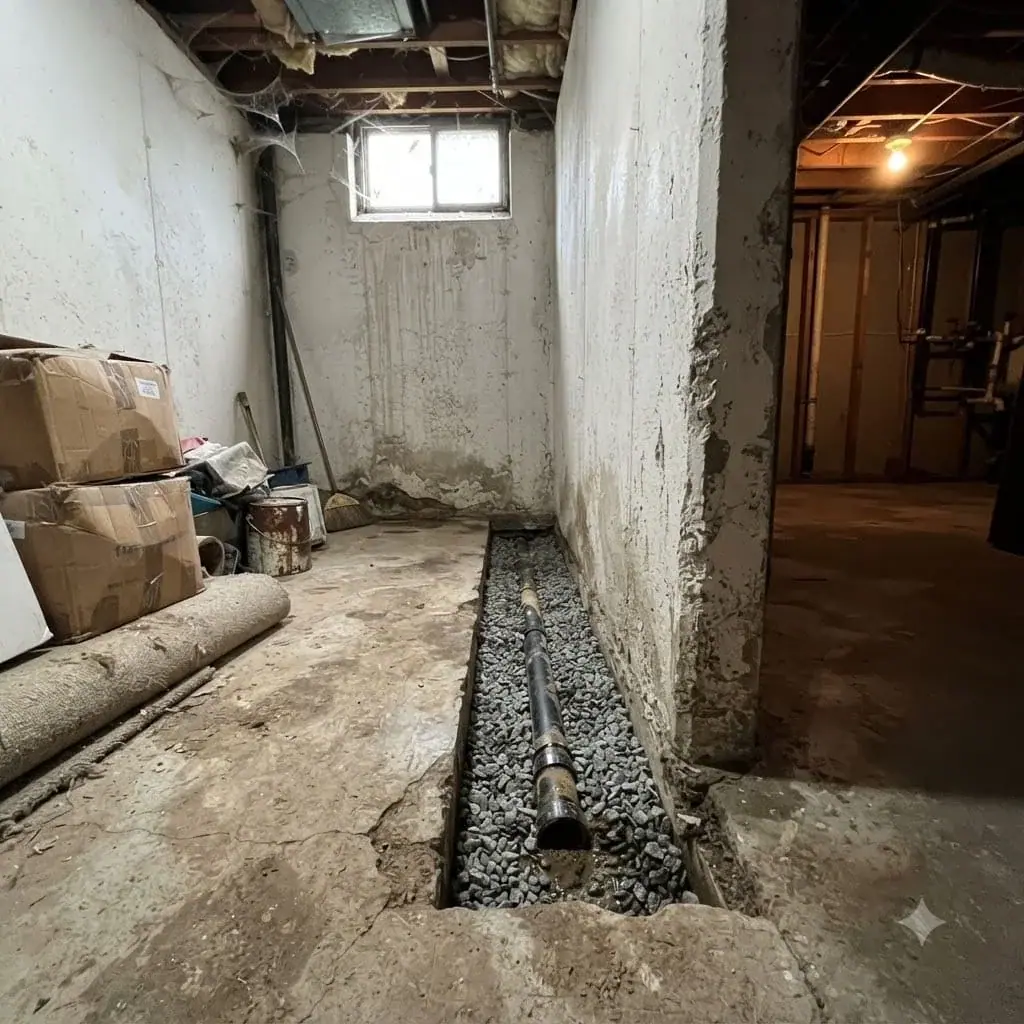
When a basement leaks, the two real fixes are interior drainage and exterior waterproofing, and they work in opposite ways. One manages water after it reaches the basement, and the other stops it before it gets through the wall. Picking the right one saves money and solves the problem the first time. Here's how they compare for a Youngstown home.
The Core Difference
Interior and exterior waterproofing attack the water at different points. Interior waterproofing, usually a drain tile system with a sump pump, works inside and below the slab, collecting water that has already reached the foundation and pumping it out. Exterior waterproofing works outside the wall, sealing the foundation's outer face with a membrane and draining groundwater at the footing before it can soak in. Interior manages the water, and exterior keeps it out. That single difference drives everything else, including cost, disruption, and which situations each one suits.
Interior Drainage: How It Works and When to Choose It
Interior drainage is the more common choice for Youngstown homes. We cut a channel in the slab along the inside of the footing, set a perforated pipe in gravel, and route it to a sump basin where a pump sends the water outside. On block walls, we drill weep holes so water trapped in the block drains into the system.
Interior drainage suits water that collects at the floor-wall seam, which is where most leaks show up. It's less disruptive, since the work stays inside. It costs less than exterior excavation. And it goes in any season, which matters in a Youngstown winter when the ground is frozen. For a home with a leak at the cove joint or seepage after heavy rain, interior drainage is the usual answer.
Exterior Waterproofing: How It Works and When to Choose It
Exterior waterproofing is the heavier fix, and it's right when water comes through the wall from outside. We excavate down to the footing, clean and repair the wall, apply a waterproof membrane to the outer face, and install a footing drain in gravel to carry groundwater away. Then we backfill and restore the grade.
Exterior work suits a wall that leaks across its whole face rather than at one seam, a foundation with a failed exterior coating or a failed clay drain tile, or a finished basement where interior work would mean tearing out walls. It's more expensive and more disruptive because of the digging, and it depends on the weather since the wall must be dry for the membrane. For the right problem, it's the more permanent fix because it stops water at the source.
Side by Side
| Factor | Interior Drainage | Exterior Waterproofing |
|---|---|---|
| Where it works | Inside, below the slab | Outside the foundation wall |
| What it does | Manages water that reaches the basement | Stops water before it enters the wall |
| Typical national cost (2026 guides) | Roughly $3,000 to $12,000 | Roughly $7,000 to $18,000 |
| Disruption | Inside only, minimal digging | Excavation around the house |
| Season | Any, including winter | Best in dry, non-frozen months |
| Best for | Cove-joint leaks, seepage after rain | Whole-wall leaks, failed exterior coating or drain tile |
The cost ranges are national averages from published 2026 guides, not Youngstown quotes.
Which Is Right for a Youngstown Basement?
For most Youngstown homes, interior drainage is the practical choice. The older block and stone foundations tend to leak at the floor-wall seam under pressure from clay-rich soil, which is what interior drainage handles, and it avoids digging up a yard. Exterior waterproofing earns its higher cost when a wall is leaking across its full face or when the exterior coating or footing drain has failed. Many homes also benefit from fixing grading and downspouts first, since ground that slopes toward the house keeps the soil saturated no matter which method you choose.
An inspection decides it. We look at where the water enters, how the foundation is built, and how the lot drains, then recommend the method that matches. For the full breakdown of each, see our pages on interior drainage and sump pumps and exterior basement waterproofing. A wall that has already started to bow also needs wall repair alongside either method.
Frequently Asked Questions
Is interior or exterior waterproofing cheaper?
Interior waterproofing is cheaper than exterior waterproofing, mainly because it avoids excavation. Interior drainage works below the basement slab with no digging around the house, so labor and restoration costs stay lower. Exterior waterproofing requires digging down to the footing along the wall, sealing it, and restoring the grade, which adds labor. The gap widens on homes with landscaping, patios, or a driveway over the excavation line.
Can you do interior drainage in winter?
Interior drainage can be installed year-round, including a Youngstown winter, because the work happens inside below the slab. The frozen ground outside doesn't affect it. This is one of the main advantages over exterior waterproofing, which needs unfrozen soil to excavate and a dry wall for the membrane to bond. For a leak that needs fixing in January, interior drainage is the practical choice.
Does exterior waterproofing last longer than interior?
Exterior waterproofing can be more permanent for the right problem because it stops water before it enters the wall, rather than managing water that already reached the basement. For a wall leaking across its whole face, sealing the outside addresses the source. Interior drainage is durable for the cove-joint leaks common in older homes, and a quality sump system lasts for years. Longevity comes from matching the method to the problem.
Do I need both interior and exterior waterproofing?
Most homes need one method, not both. Interior drainage handles water at the floor-wall seam, and exterior waterproofing handles water coming through the wall face. A few complex cases benefit from a combination, such as a failed footing drain plus a wall that leaks across its face. The goal is to match the fix to where the water is coming from, and for most Youngstown basements that is a single method.